
Engineering Categories
Explore seven areas of engineering technology and innovation.
 ZONE G
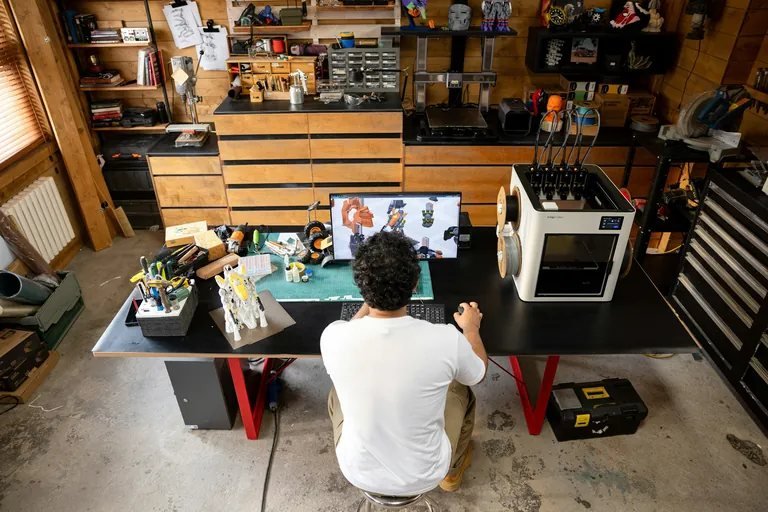
Startups and Corporate Technology
Engineering ventures, corporate innovation and technology teams.
Explore category ZONE F
Motorsports and Student Innovation
Formula Student, Supra, Baja and student engineering projects.
Explore category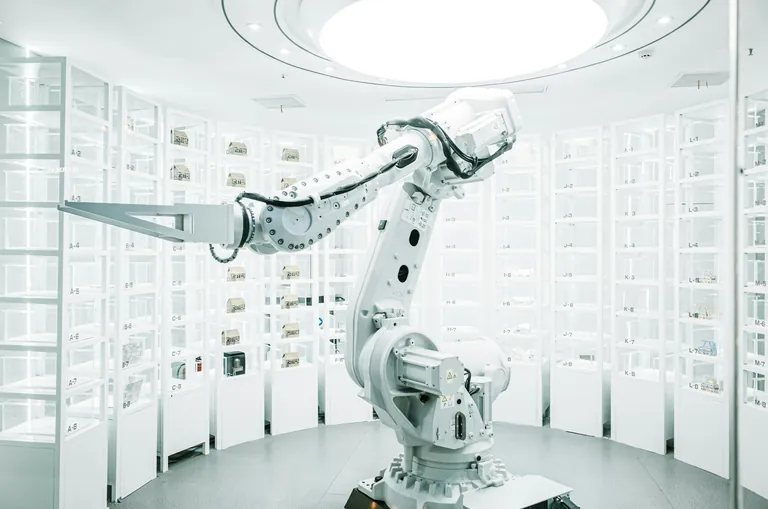 ZONE E
Robotics, AI and Intelligent Systems
Robotics, AI/ML, drones, automation and intelligent products.
Explore category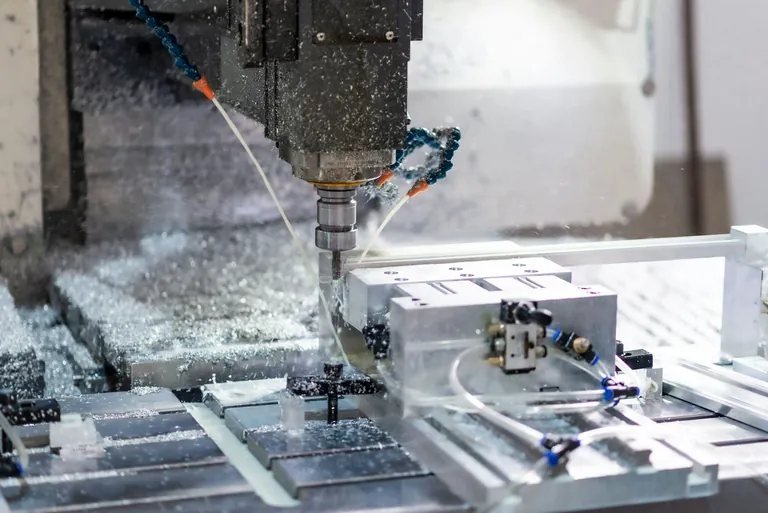 ZONE D
Mechanical Engineering and Manufacturing
Machinery, CAD/CAE, materials, fabrication and production systems.
Explore category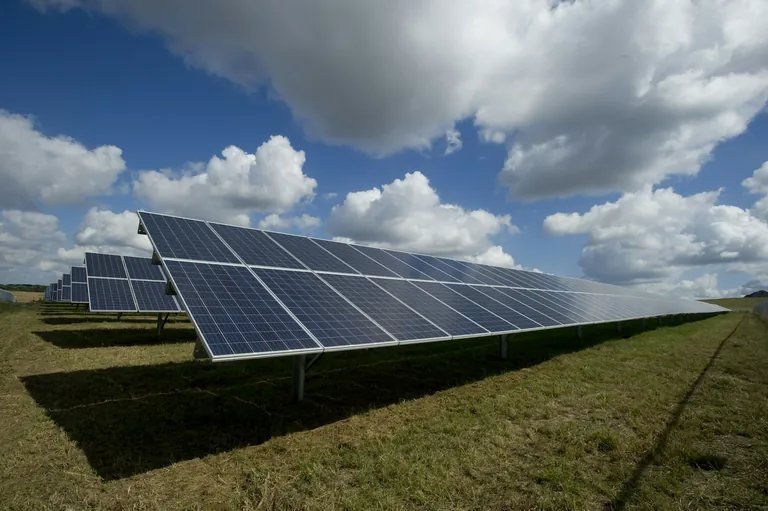 ZONE C
Hydrogen and Clean Energy
Hydrogen, fuel cells, renewables and energy storage.
Explore category ZONE B
Electronics, Embedded Systems and Telecommunications
Microcontrollers, IoT, sensors, embedded products and communications.
Explore category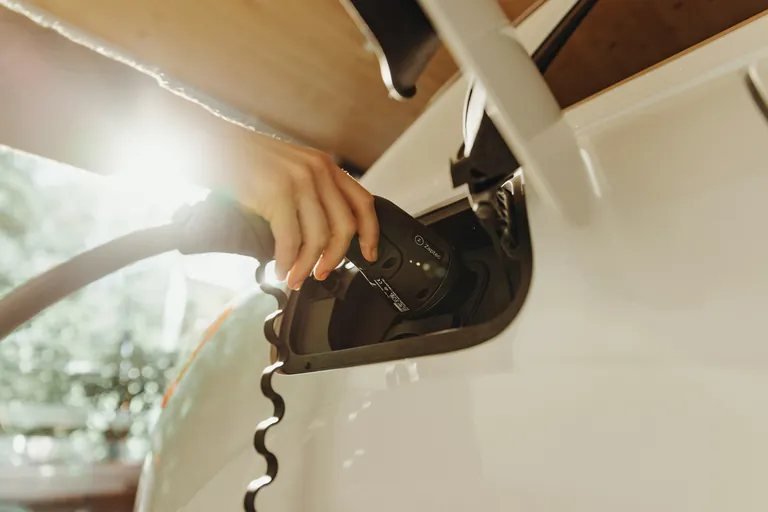 ZONE A
Automotive and Electric Mobility
EVs, battery systems, automotive components and mobility technology.
Explore categoryHow the seven engineering zones connect
“Motorsports is a high-performance testing ground for engineering innovation.”
Onkar Ashok Borkar, mechanical engineer and organiser of the Edgeline Go-Kart Championship
Start with a lap of the track
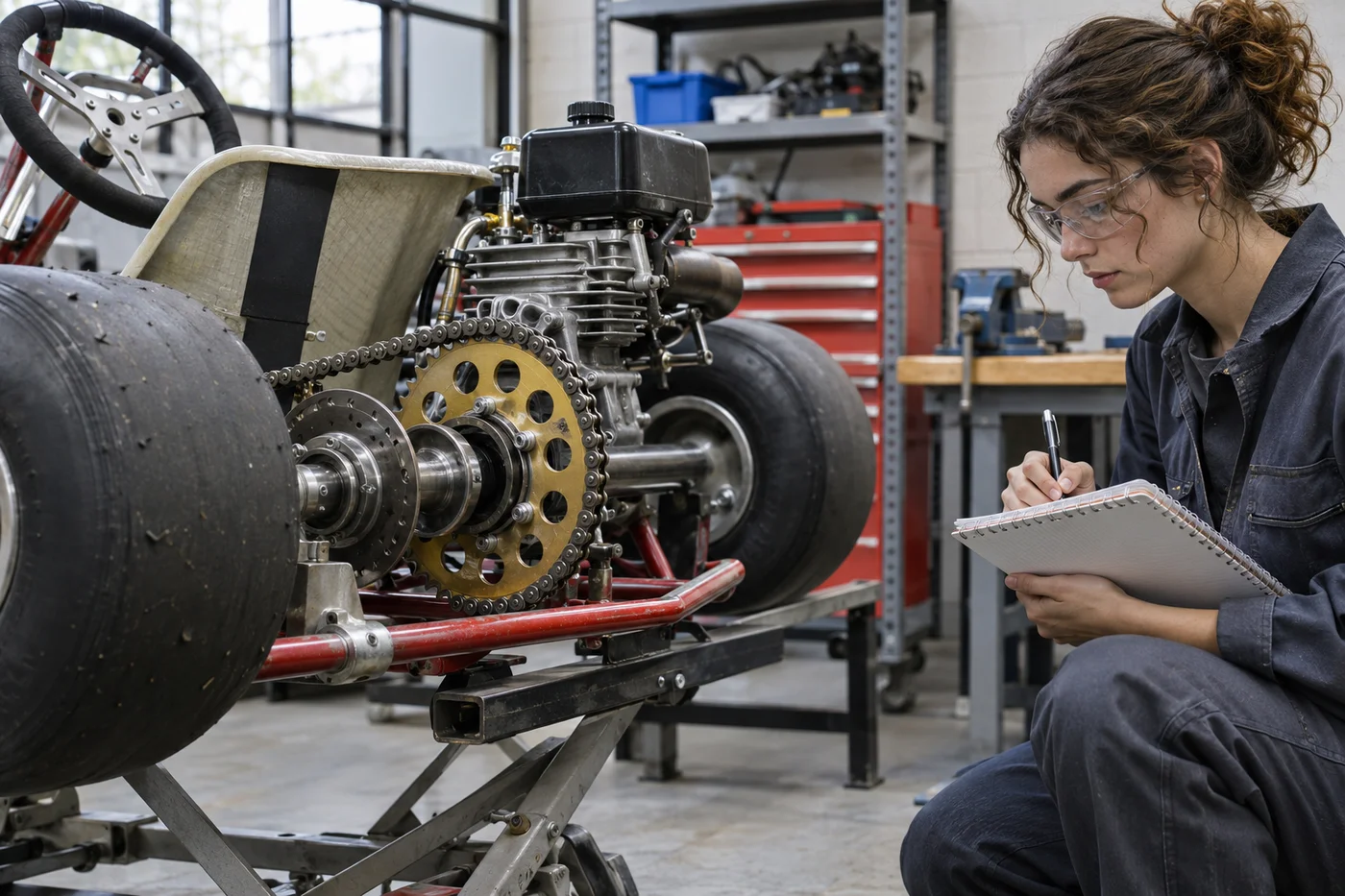
From the stands, you see a driver brake, turn and accelerate. A student team sees three engineering questions. Did the brakes stay consistent as they heated up? Did the chassis keep the tyres loaded through the corner? Did the drivetrain deliver the torque the driver asked for? Comparing the driver’s feedback with wheel-speed and temperature traces gives the team a way to investigate. This is where Motorsports and Student Innovation meets automotive design, materials, sensors and telemetry.
At Formula 1 scale, the 2026 hybrid power unit combines a turbocharged engine, electrical energy recovery and sustainable fuel. At student scale, an electric racing kart raises a related question that a team can investigate with its own data: where on the lap can we recover energy, and when can we use it again? FIA overview of the 2026 regulations
Follow one braking decision through an electric vehicle
When an electric vehicle slows, its motor can act as a generator. Whether the battery can accept that energy depends partly on its temperature and how close individual cells are to their voltage limits. The battery management system (BMS) uses voltage, current and temperature measurements to estimate the pack’s condition. It can send a charge-power limit over the vehicle’s CAN network, and the motor controller can adjust regenerative torque in response.
That one decision connects Automotive and Electric Mobility with Electronics, Embedded Systems and Telecommunications. It also gives Mechanical Engineering and Manufacturing a design question. If one part of the pack regularly runs hotter, the team can investigate sensor placement, contact with the cooling plate and coolant distribution before choosing a change.
Change the energy source and follow the power again
A hydrogen fuel-cell vehicle also turns its wheels with an electric motor. Hydrogen from the tank and oxygen from the air react in the fuel-cell stack to produce electricity, water and heat. Power electronics connect the stack to the drivetrain. A battery can supply short bursts of power and accept energy during braking. The motor, inverter and energy-management expertise carry across from battery vehicles.
Hydrogen and Clean Energy brings additional demands. Pressure and temperature measurements help the controller supervise the system, and leak detection can trigger isolation. India’s hydrogen train, flagged off between Jind and Sonipat in Haryana on 17 July 2026, gives these connections a rail-scale example: onboard fuel cells work alongside batteries to supply electric traction. Indian Railways’ account of the Jind–Sonipat train
Bring the test result onto the factory floor
Consider the cooling plate from the EV example. A manufacturer needs a repeatable way to check each part. A robot could position it in a fixture, a vision system could verify its orientation, and a separate leak test could check the coolant passages. The camera and the leak tester answer different questions. Agreeing on what counts as a pass brings Robotics, AI and Intelligent Systems into the same discussion as the pack designer and the production engineer.
Startups and Corporate Technology connects the prototype to a customer pilot. A sensor startup might bring response-time data, a college lab might offer a reference measurement, and an automotive supplier might provide the vibration and temperature conditions the device must withstand. Together they can define a trial and decide what evidence would justify using the device in production.
Why bring these people together at Edgeline?
A manufacturer, technology developer, research group or student team can bring a component, a test result and one unresolved question. A battery engineer might find a cooling-plate manufacturer. A hydrogen developer might find an embedded-controls partner. A student team might leave with a better way to measure what happens on its next lap. These are the kinds of technical conversations the Edgeline Engineering & Innovation Exhibition is designed to host.
Edgeline Engineering & Innovation Exhibition — Where Engineering Meets Opportunity.